Meta's AI Agents Revolutionize Hyperscale Capacity Efficiency: A Deep Dive
The Challenge of Hyperscale Efficiency
When a platform serves over 3 billion people, even a seemingly minor 0.1% performance regression can translate into massive additional power consumption. Meta's Capacity Efficiency Program has long tackled this dual-sided challenge—proactively optimizing systems (offense) and catching regressions that slip into production (defense). However, the traditional approach created a bottleneck: human engineering time. Engineers could only address a fraction of issues manually, leaving many opportunities untapped and regressions compounding across the fleet.
How the AI Agent Platform Works
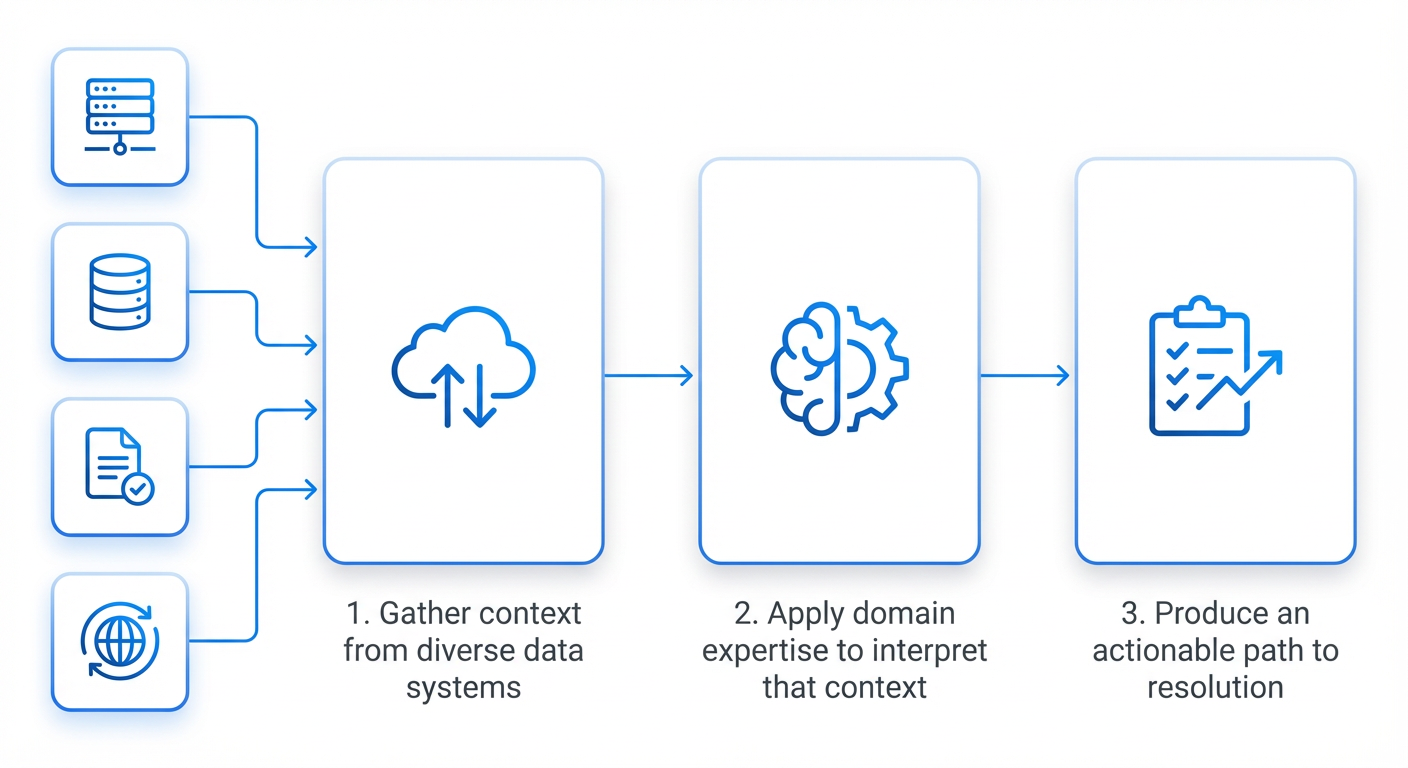
Meta built a unified AI agent platform that encodes domain expertise from senior efficiency engineers into reusable, composable skills. These agents now automate both finding and fixing performance issues. The platform leverages standardized tool interfaces across the infrastructure, allowing agents to seamlessly investigate and resolve problems. Key capabilities include:
- Automated diagnosis that compresses ~10 hours of manual investigation into ~30 minutes.
- Full automation from efficiency opportunity to a ready-to-review pull request.
- Integration with FBDetect, Meta's in-house regression detection tool, which catches thousands of regressions weekly.
By encoding domain expertise into reusable skills, the platform scales without proportionally increasing headcount, recovering hundreds of megawatts (MW) of power—enough to power hundreds of thousands of American homes for a year.
Offense and Defense: A Dual Approach
The program operates on two fronts:
Offense: Proactive Optimization
AI agents continuously search for code changes that can make existing systems more efficient. They analyze performance data, identify opportunities, and generate optimized pull requests. This proactive approach expands to more product areas every half, handling a growing volume of wins that engineers would never get to manually.
Defense: Regression Detection and Mitigation
FBDetect monitors resource usage in production and detects regressions. When a regression is found, AI agents automatically root-cause it to a specific pull request and deploy mitigations. Faster automated resolution means fewer megawatts wasted compounding across the fleet.
Together, these two sides form a self-sustaining efficiency engine where AI handles the long tail of issues, freeing engineers to innovate on new products.
Results and Future Outlook
The results are tangible: hundreds of megawatts saved, thousands of regressions handled weekly, and engineering time redirected from maintenance to innovation. The end goal is a fully automated system that continuously improves capacity efficiency without requiring proportional growth in the team. As the platform expands to more product areas, Meta envisions a future where AI agents drive the majority of efficiency gains, making hyperscale operations both sustainable and scalable.