From Historical Drama to Futuristic Epic: The Transformation of For All Mankind
Introduction
For All Mankind began as a grounded alternate history series, exploring a world where the Soviet Union beat the United States to the Moon. What started as a period piece reminiscent of The Right Stuff has since evolved into a bold, unapologetic work of hard science fiction, drawing comparisons to The Expanse. This article examines the show’s remarkable journey, highlighting key narrative shifts and creative decisions that propelled it from historical speculation to futuristic drama.
The Early Seasons: A Period Piece with a Twist
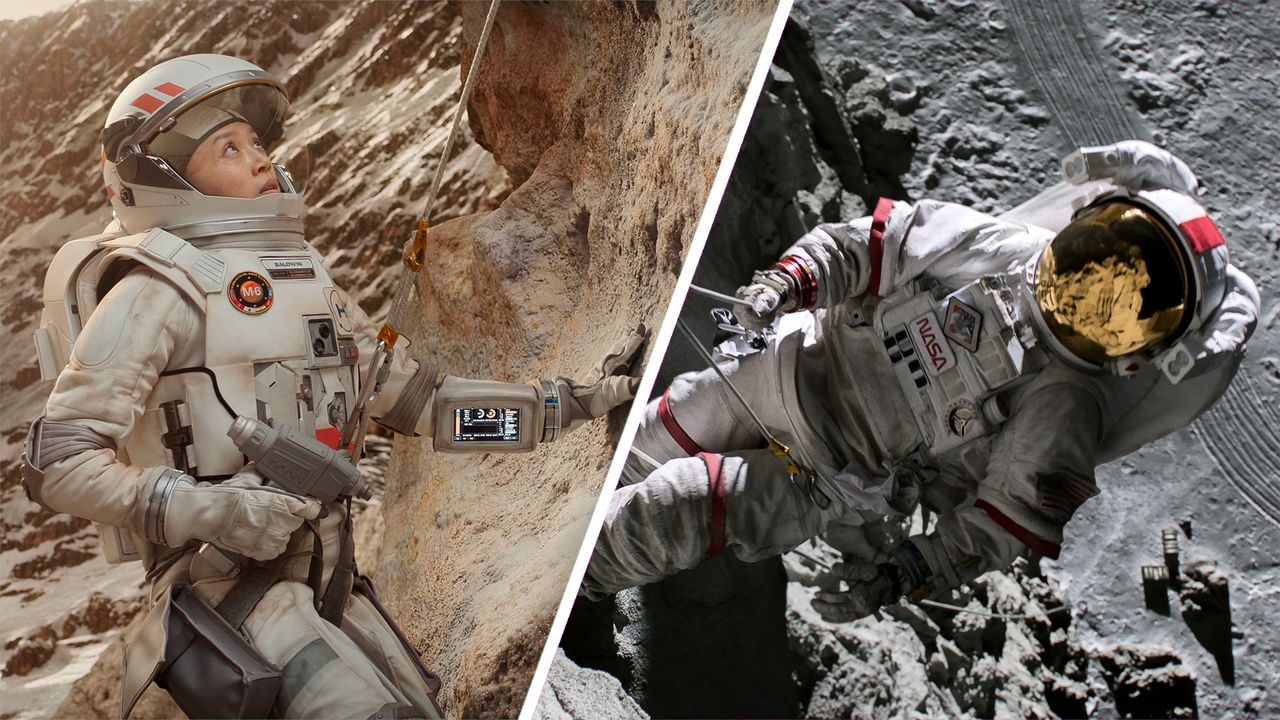
In its first season, For All Mankind maintained a strong foundation in real-world history, portraying NASA astronauts, engineers, and their families against the backdrop of the 1960s and 1970s. The show meticulously recreated the Apollo era, from spacesuit designs to control room chatter, earning praise for its attention to detail. At its core, the story was a character-driven drama about ambition, sacrifice, and the cost of the space race—echoing the tone of The Right Stuff. However, the alternate premise—a Soviet lunar landing in 1969—set the stage for a different trajectory.
The Pivot Point: Accelerating the Timeline
As the series progressed into its third and fourth seasons, the timeline jumped decades forward, bringing with it advanced technology, international cooperation, and new frontiers. What had been a slow-burn period piece suddenly shifted into overdrive, introducing concepts like permanent lunar bases, Mars colonies, and even asteroid mining. This acceleration mirrored the show’s own creative evolution, shedding its historical trappings to embrace full-fledged science fiction.
Embracing Hard Science Fiction
The later seasons of For All Mankind are defined by their commitment to realistic, speculative science. Unlike fantasy-leaning space operas, the show grounds its inventions in plausible engineering and physics. From radiation shielding on Martian habitats to the politics of space resource extraction, every element is carefully researched. This rigorous approach places the series squarely in the tradition of hard science fiction, akin to The Expanse, which similarly prioritizes scientific accuracy over spectacle.
Character Evolution in a Changing World
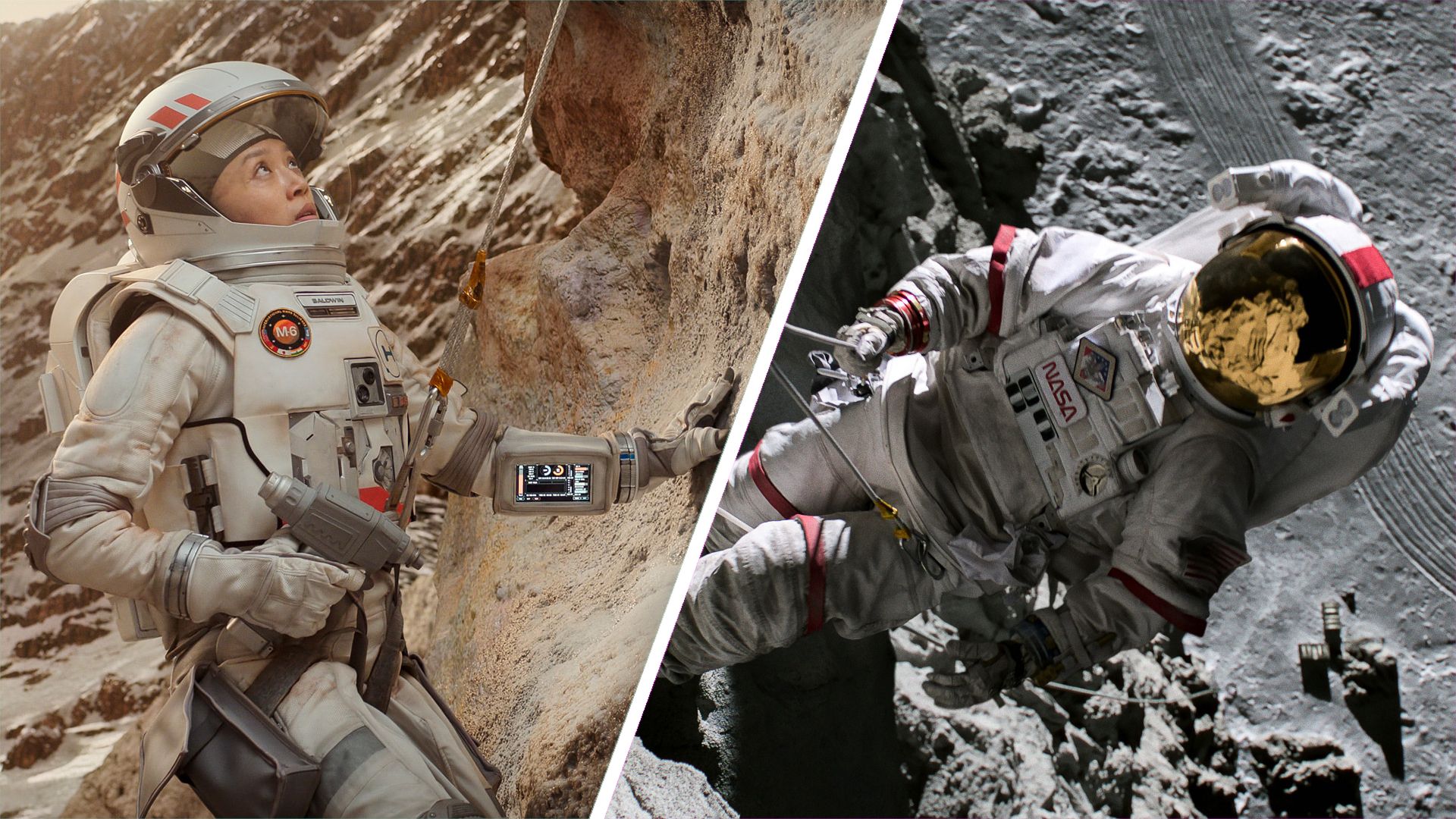
As the setting advanced, so too did the characters. The original astronauts, once defined by their Cold War rivalry, now grapple with issues of legacy, aging, and moral choices in a privatized space economy. Newer characters represent a generation born off-world, whose perspectives challenge earth-centric norms. This character-driven storytelling remains the show’s emotional anchor, even as the plot reaches for the stars.
Comparison to The Right Stuff and The Expanse
The Right Stuff celebrated the heroism of early astronauts within a largely factual framework. For All Mankind borrowed that reverence for spaceflight but twisted history to create drama. In contrast, The Expanse presented a fully imagined future solar system, complete with political factions and hard-science constraints. Today, For All Mankind occupies a middle ground: it retains its alternate-history roots while embracing the expansive world-building of The Expanse. The result is a series that honors its origins while fearlessly exploring the future.
Conclusion
For All Mankind’s evolution from a period piece into a hard sci-fi epic demonstrates the flexibility of the alternate history genre. By allowing its timeline to accelerate and its science to deepen, the show has avoided stagnation and kept viewers engaged. As the series moves toward its fifth season, it stands as a testament to the power of speculative fiction—one that started with a simple question: What if the space race never ended?