Eliminating Cement's CO2 Emissions: A Comprehensive Guide to Alternative Rock-Based Production
Overview
Cement production is a foundational industry, but it carries a heavy environmental burden: it accounts for roughly 8% of global CO2 emissions. While efficiency improvements and cleaner energy sources can reduce some emissions, a persistent challenge remains—direct process emissions from the chemical transformation of limestone. In traditional Portland cement manufacturing, heating limestone (calcium carbonate) releases CO2 as a byproduct of producing lime. This guide explores a promising alternative: using different types of rock, such as calcium silicates, to eliminate these direct emissions entirely. We'll walk through the science, the steps involved, and the practical considerations for adopting this innovative approach.
Prerequisites
Before diving into the alternative process, it's helpful to understand the basics:
- Basic chemistry knowledge: Familiarity with chemical reactions, especially carbonates and silicates.
- Understanding of cement: Know what Portland cement is and how it's made (limestone + clay/ash, heated in a kiln).
- Environmental awareness: A grasp of CO2 emission sources (fuel combustion vs. process emissions).
- Access to technical resources: This guide is for engineers, researchers, or sustainability professionals; no specific software needed, but a calculator for stoichiometry helps.
Step-by-Step Guide to Alternative Cement Production
Step 1: Understand the Problem with Limestone Cement
Portland cement relies on limestone (calcium carbonate, CaCO3). When heated to about 1450°C, it decomposes into calcium oxide (CaO, lime) and CO2 gas. This reaction (CaCO3 → CaO + CO2) produces roughly 0.5-0.6 tons of CO2 per ton of cement—often more than emissions from burning fuel to heat the kiln. These are "direct process emissions" and are unavoidable with limestone. To eliminate them, we must replace limestone with a rock that doesn't release CO2 when heated.
Step 2: Identify Alternative Rock Types
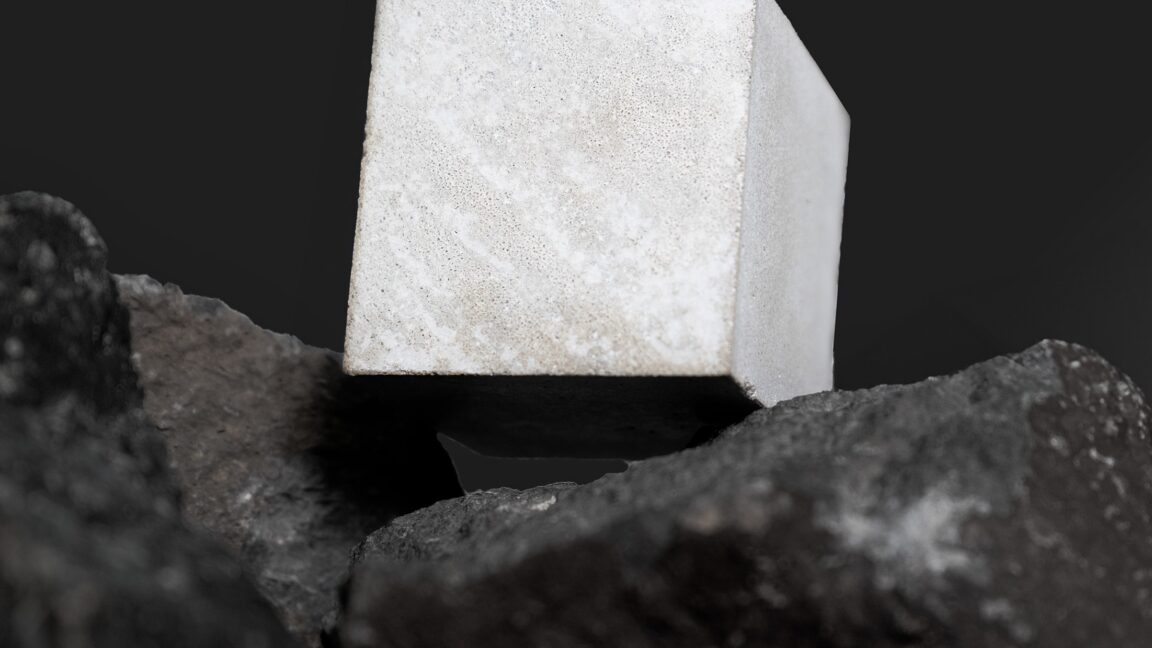
Recent research, including a paper in Communications Sustainability, suggests using calcium silicate rocks, such as wollastonite (CaSiO3) or other silicate minerals found in basalt. These rocks contain calcium but no carbonate. When heated, they form calcium oxide and a silicate compound, but without releasing CO2. For example: CaSiO3 → CaO + SiO2. Note: This reaction may require different temperatures or additives.
Step 3: Evaluate the Chemistry of Alternative Raw Materials
The key chemical difference: Instead of a carbonate, you start with a silicate. The reaction still yields lime (CaO) needed for cement, but the byproduct is silica (SiO2) rather than CO2. However, the resulting material may need additional processing to match the properties of Portland cement. The silica can potentially be incorporated into the cement matrix, reducing the need for clay additives.
Step 4: Adjust the Manufacturing Process
- Raw material selection: Source calcium silicate rocks (e.g., wollastonite, rankinite) or natural basalt that contains calcium silicates. Ensure low impurity levels.
- Crushing and grinding: Process the rock into a fine powder to increase surface area for reactivity.
- Heat treatment: Instead of the traditional limestone kiln, use a reactor that heats the silicate rock to 1000-1200°C (lower than limestone's 1450°C). The exact temperature depends on the mineral. For wollastonite, decomposition can occur at around 1120°C.
- Cooling and blending: The product (clinker) may contain CaO and SiO2 or other silicate phases. Add gypsum and possibly other minerals to control setting time. The final cement may need different proportions compared to Portland cement.
- Quality testing: Perform compressive strength, setting time, and workability tests per ASTM standards. Adjust as needed.
Step 5: Scale Up and Integrate with Existing Infrastructure
Pilot trials are necessary to move from lab to industry. Key considerations:
- Energy savings: Lower kiln temperatures reduce fuel consumption and associated CO2.
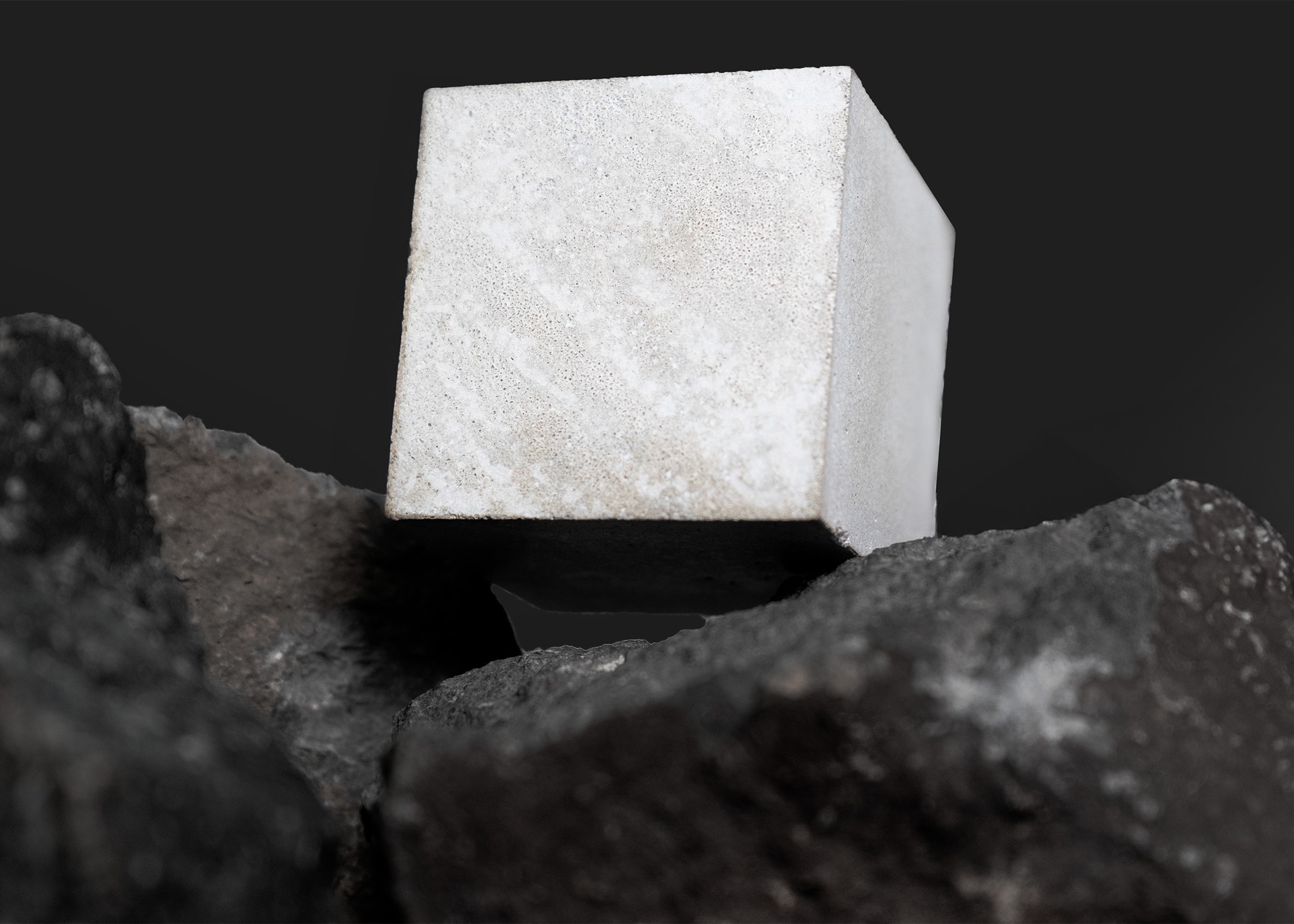
- Material availability: Calcium silicate rocks are abundant in many regions (e.g., volcanic areas). Assess local deposits.
- Economic feasibility: Compare costs of mining and processing vs. limestone, plus potential carbon credits.
- Industry compatibility: Can existing cement plants retrofit kilns? Or need new reactors?
Step 6: Address Potential Challenges
- Reactivity: The lime from silicates may be less reactive; use activators such as alkali sulfates or higher fineness.
- Strength development: Early strength may be lower; adjust curing conditions.
- Durability: Test for carbonation, sulfate attack, and freeze-thaw resistance.
- Regulatory approval: New cement types must meet building codes and standards (e.g., ASTM C150).
Common Mistakes
- Assuming all rocks work the same: Not all calcium silicates are created equal; dolomite (magnesium carbonate) also releases CO2. Verify mineralogy.
- Ignoring the role of silica: The silica byproduct can affect cement chemistry—too much may reduce strength. Proper blending is crucial.
- Neglecting energy emissions: Even if process emissions are zero, fuel combustion still emits CO2 unless renewable energy is used.
- Overlooking supply chain: Alternative rocks are not universally available; transportation emissions may offset gains.
- Failing to test thoroughly: Rushing to market without long-term durability tests can lead to structural failures.
Summary
Replacing limestone with calcium silicate rocks offers a scientifically viable path to eliminate direct process CO2 emissions from cement production. By adjusting raw materials and kiln temperatures, we can produce cement with significantly lower carbon footprint. However, challenges in reactivity, strength, and scalability remain. This guide provides a foundational understanding for researchers and industry professionals exploring this innovation. The key takeaway: the biggest climate win comes from changing the rock, not just the fuel.