UK iCloud Users Could Win $95 Each: Apple's Legal Battle Explained
Apple faces a significant legal challenge in the UK over its iCloud storage practices. A class-action lawsuit, brought by consumer rights group Which?, alleges that Apple uses anti-competitive tactics to lock users into paying for iCloud storage. If Apple loses, millions of UK iCloud users could receive around $95 each. The company recently failed to narrow the scope of the case, meaning it now faces a broader potential payout. Here's everything you need to know about the lawsuit and what it means for Apple users.
What is the iCloud class-action lawsuit against Apple in the UK?
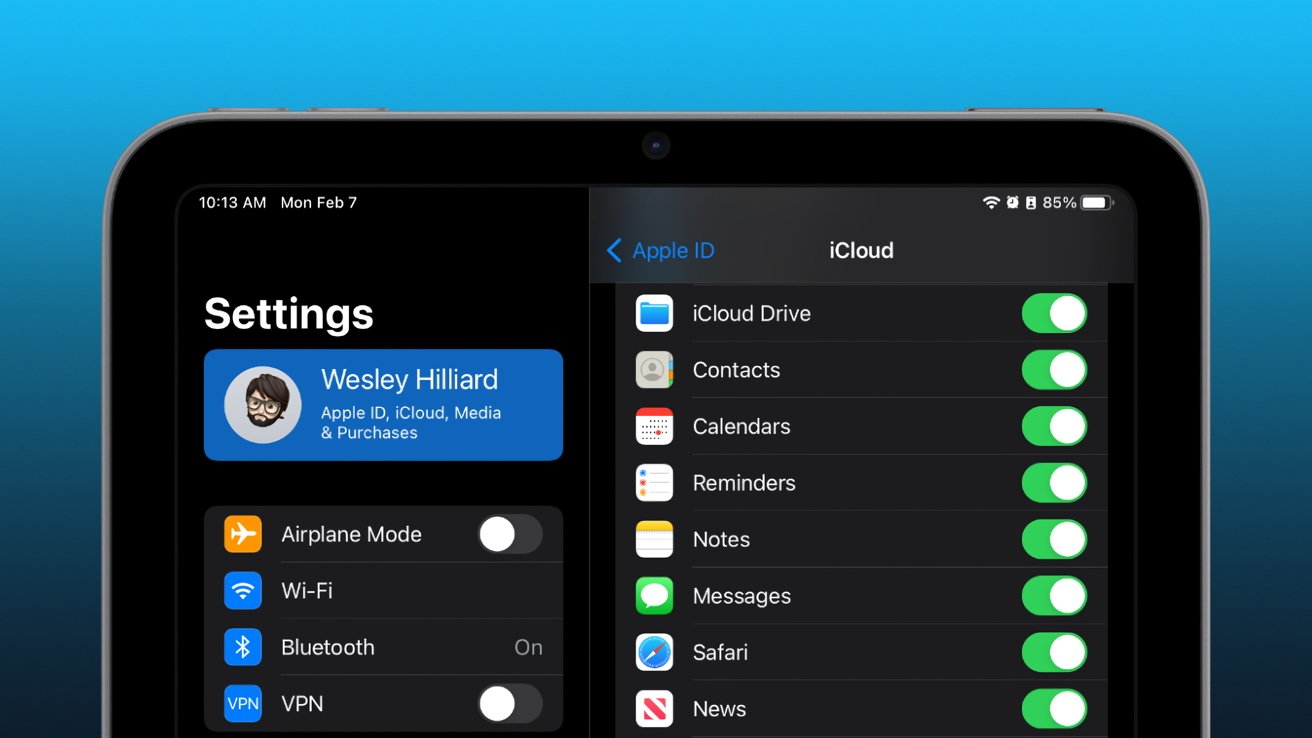
The lawsuit is a class-action claim filed in November 2024 by Which?, a UK consumer rights group and publication. It accuses Apple of anti-competitive behavior by forcing iCloud users to stay within its ecosystem for cloud storage. Which? argues that Apple makes it difficult for users to switch to third-party alternatives, effectively locking them into paying for iCloud plans. The case was filed on behalf of all UK iCloud users who have paid for storage since October 2015. Apple recently tried to have the case dismissed or reduced in scope, but a UK court rejected that bid in early 2025, allowing the lawsuit to proceed against all affected users.
Why did Apple fail to reduce the scope of the lawsuit?
Apple argued that the class should be limited to only those users who could prove they were directly harmed by specific actions. However, the court ruled that the allegations—that Apple's practices artificially inflate iCloud prices and stifle competition—could potentially affect all UK iCloud users who paid for the service. The judge found that Which? had presented enough evidence of a common practice by Apple to justify a broad class. This means the case now covers everyone who paid for iCloud storage in the UK, not just a subset. Apple's failure to limit the scope increases its potential liability significantly.
How much compensation could UK iCloud users receive if Apple loses?
If Apple loses the lawsuit, each eligible iCloud user in the UK could receive approximately $95 (roughly £75). This amount is calculated based on the overcharges Which? alleges Apple imposed due to its anti-competitive lock-in. The total potential payout is estimated at $4.1 billion. However, the actual amount per user may vary depending on how long they subscribed and how much they paid. The payout would come from Apple, and users would not need to individually file claims—the class-action structure means compensation is distributed automatically to affected parties if the court approves a settlement or finds in favor of the class.
Who filed the lawsuit and what are the allegations?
The lawsuit was filed by Which?, the well-known UK consumer advocacy organization. Its key allegation is that Apple engages in anti-competitive locking of iCloud users. Specifically, Which? claims that Apple designs iOS to make it difficult to store data, like photos and backups, on non-Apple cloud services. For example, Apple restricts certain backup features to iCloud only, subtly encouraging users to pay for storage. Which? argues this behavior violates UK competition law and has led to higher prices for iCloud storage compared to alternatives. The group is seeking damages on behalf of all UK consumers who paid for iCloud storage over the past decade.

What other legal challenges does Apple face in the UK?
Apple is no stranger to UK courtrooms. Besides the iCloud suit, the company is fighting multiple class actions over:
- App Store fees: Developers and consumers have sued over Apple's 30% commission on in-app purchases, alleging it's anti-competitive.
- Price-fixing with retailers: Apple has been accused of colluding with major UK retailers to fix prices on iPhones and other devices.
- Battery performance issues: Another case involves claims that Apple deliberately slowed down older iPhones without user consent.
These cases, like the iCloud suit, challenge Apple's market dominance and could result in significant payouts or changes to its business practices. The iCloud case is particularly notable because it directly affects millions of individual users rather than businesses.
How does this lawsuit compare to other Apple antitrust cases globally?
Globally, Apple has faced similar antitrust actions over its services. In the US, the Department of Justice has sued Apple over iPhone monopoly practices, citing iCloud and other lock-in tactics. The EU has also fined Apple billions for abusing its App Store dominance. However, the UK iCloud suit is unique in that it is a private class action led by a consumer group, not a government regulator. It follows a similar pattern to a Dutch case over App Store commissions and an Australian case over iCloud storage. If successful, the UK lawsuit could set a precedent for other countries to pursue collective compensation for users affected by Apple's ecosystem lock-in.
What are the next steps in the legal process?
The case is still in its early stages. After Apple's failed attempt to limit the class, the next major step is a trial to determine liability. This could take place within the next 12–18 months. Meanwhile, Which? will gather evidence and user testimonies. Apple may also choose to settle to avoid a lengthy court battle and the risk of a $4.1 billion judgment. If the case goes to trial and Apple loses, an appeals process is likely. Affected users do not need to do anything now; if the class prevails, compensation will be distributed automatically through mechanisms approved by the court. Stay tuned to the lawsuit's progress for updates.