6 Crucial Insights on Halting Dangerous Belly Fat as You Age
As we grow older, our bodies undergo more than just the visible signs of aging. One significant and often overlooked change is how fat is redistributed—shifting from areas like the hips and thighs to the abdomen, where it becomes visceral fat. This type of fat is particularly harmful, surrounding internal organs and increasing risks for heart disease, diabetes, and inflammation. Recent scientific research has uncovered a promising strategy to combat this age-related fat shift, especially for older women recovering from injuries. The key involves a combination of testosterone therapy and targeted exercise. Here are six essential facts you need to know about this groundbreaking approach.
1. The Link Between Aging and Dangerous Belly Fat
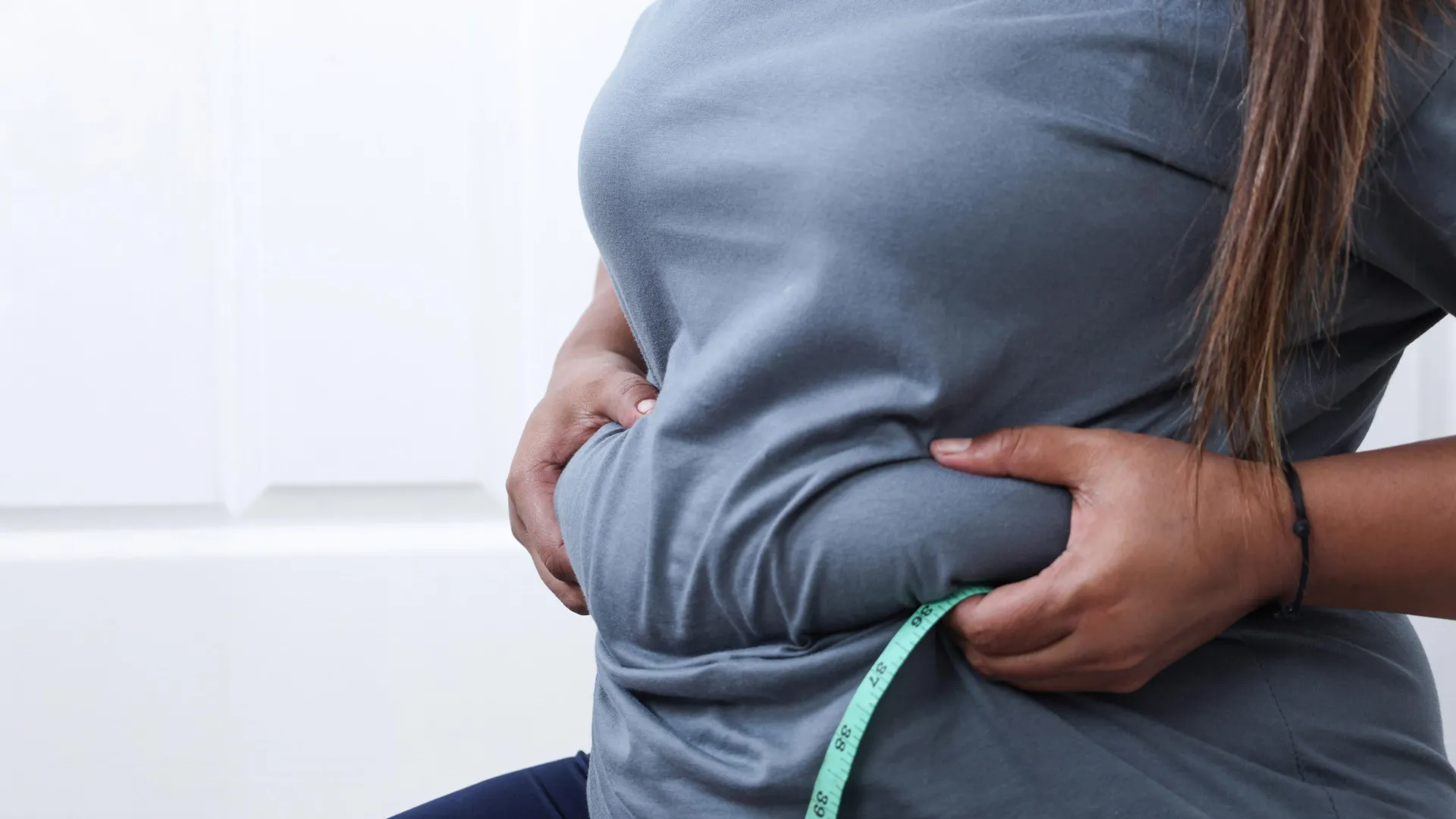
Aging doesn't just add fat to your body; it changes where fat is stored. As we age, subcutaneous fat (the kind under the skin) decreases, while visceral fat—the deep belly fat wrapped around organs—increases. This redistribution is risky because visceral fat is metabolically active, releasing inflammatory substances that contribute to chronic diseases. For older adults, especially women after menopause, this shift accelerates due to hormonal changes. Understanding this pattern is the first step in developing targeted interventions to prevent the health hazards associated with visceral fat accumulation.
2. Testosterone's Critical Role in Fat Distribution
Scientists have identified testosterone as a key hormone influencing fat storage patterns. Lower testosterone levels, common in aging individuals and particularly in postmenopausal women, are linked to increased visceral fat. Testosterone helps regulate metabolism and fat distribution, influencing where fat is deposited. By restoring or supplementing testosterone, researchers believe we can counteract the age-related shift toward abdominal fat. This hormone's role goes beyond muscle and bone health—it directly affects how our bodies manage fat, making it a promising target for therapeutic strategies.
3. A Breakthrough Study on Hip Fracture Recovery
A recent study focused on older women recovering from hip fractures—a population at high risk for accelerated fat redistribution due to immobility and stress. Researchers applied a testosterone gel combined with a structured exercise program. The results were striking: this combination prevented the usual increase in dangerous visceral fat that occurs during recovery. Without the intervention, these women would have experienced a rise in belly fat, compounding their health risks. The study highlights a critical window for intervention during recovery periods when fat gain is most likely.
4. How Testosterone Gel and Exercise Work Together
The combination therapy appears to be synergistic. Testosterone gel provides a steady, low-dose hormone supplement, mimicking natural levels. Meanwhile, exercise—especially resistance and aerobic training—enhances the hormone's effects on fat metabolism. Together, they not only prevent visceral fat gain but may also promote lean muscle mass, which further aids metabolic health. This dual approach addresses both the hormonal deficit and the behavioral component of fat management. It's a practical, non-invasive method that can be implemented in clinical settings for at-risk older adults.
5. Implications for Long-Term Health in Older Adults
This finding could revolutionize recovery protocols for older adults, particularly women. By controlling visceral fat accumulation, we can reduce the risk of metabolic syndrome, heart disease, and type 2 diabetes—conditions that often follow a fracture due to reduced activity. Moreover, maintaining a healthier fat distribution may improve overall mobility and quality of life. The strategy offers a potential shift from merely treating fractures to proactively managing the downstream health consequences of aging and injury.
6. What This Means for Future Treatments
The study opens the door to broader applications. While testosterone therapy has been used for men with low levels, this research suggests tailored approaches for women—especially those undergoing menopause or recovering from major health events. Future studies will need to explore optimal dosages, long-term safety, and effectiveness in other populations. However, the initial evidence is encouraging: combining hormone support with exercise could become a standard part of geriatric care, helping older adults not just survive injuries but thrive with healthier bodies.
Conclusion: The battle against age-related belly fat is not hopeless. The discovery that a blend of testosterone gel and exercise can halt the dangerous fat shift in older women marks a significant step forward. While more research is needed, this dual approach offers a practical, evidence-based strategy for improving recovery outcomes and long-term metabolic health. As we continue to unravel the complex relationship between hormones and fat distribution, interventions like these may become essential tools for healthy aging.