Climate Change's Toll on Agriculture: Why Food Insecurity Now Threatens All Nations
Introduction
In an era of accelerating climate change, the stability of global food systems is under unprecedented threat. A recent United Nations report highlights that extreme temperature swings are not only disrupting crop yields but also endangering the lives of agricultural workers worldwide. Environmental economist Shouro Dasgupta sheds light on how these changes are pushing agricultural systems to the brink, emphasizing that food insecurity is no longer a challenge confined to low-income nations.
The U.N. Report: A Wake-Up Call
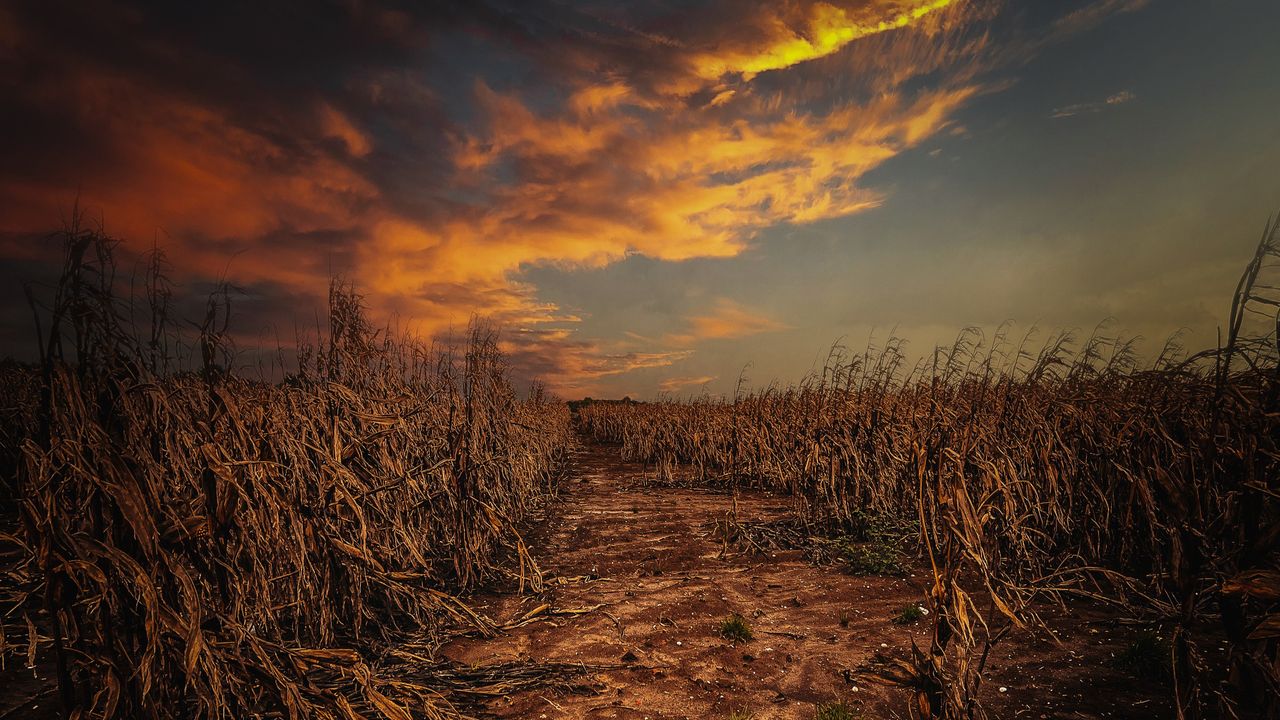
The United Nations report underscores a troubling trend: as global temperatures become more erratic, the agricultural sector—already strained by water scarcity and soil degradation—is facing new, severe shocks. The report warns that without immediate action, the frequency and intensity of extreme weather events will dramatically increase, jeopardizing food production for billions. Key findings include a rise in heatwaves and unexpected frosts that damage crops at critical growth stages, leading to reduced harvests and higher food prices.
How Climate Change Disrupts Crops
Extreme temperature swings are among the most damaging effects of climate change on agriculture. Heatwaves can cause plants to wilt, reduce pollination rates, and accelerate water evaporation from soil. Conversely, unseasonal frosts can kill sprouting plants or damage fruit trees. As the U.N. report details, these fluctuations are not isolated events; they occur more frequently and with greater severity.
- Staple crops like wheat, rice, and maize are particularly vulnerable. For example, a heatwave during flowering can reduce yields by up to 20%.
- Fruit and vegetable production is also hit hard, with some regions experiencing complete loss of harvests due to temperature extremes.
- Soil health deteriorates as intense heat accelerates microbe activity, depleting organic matter and making fields less productive.
Endangering Agricultural Workers
Beyond crops, agricultural workers face direct threats. The U.N. report notes that heat stress is becoming a leading cause of injury and death among farm laborers. In many low- and middle-income countries, workers toil without adequate shade, hydration, or cooling breaks. Rising temperatures push the human body beyond its limits, leading to heat exhaustion, heatstroke, and chronic kidney disease. This not only harms individuals but also reduces labor productivity, creating a vicious cycle of poverty and food insecurity.
Economic Implications: An Expert's View
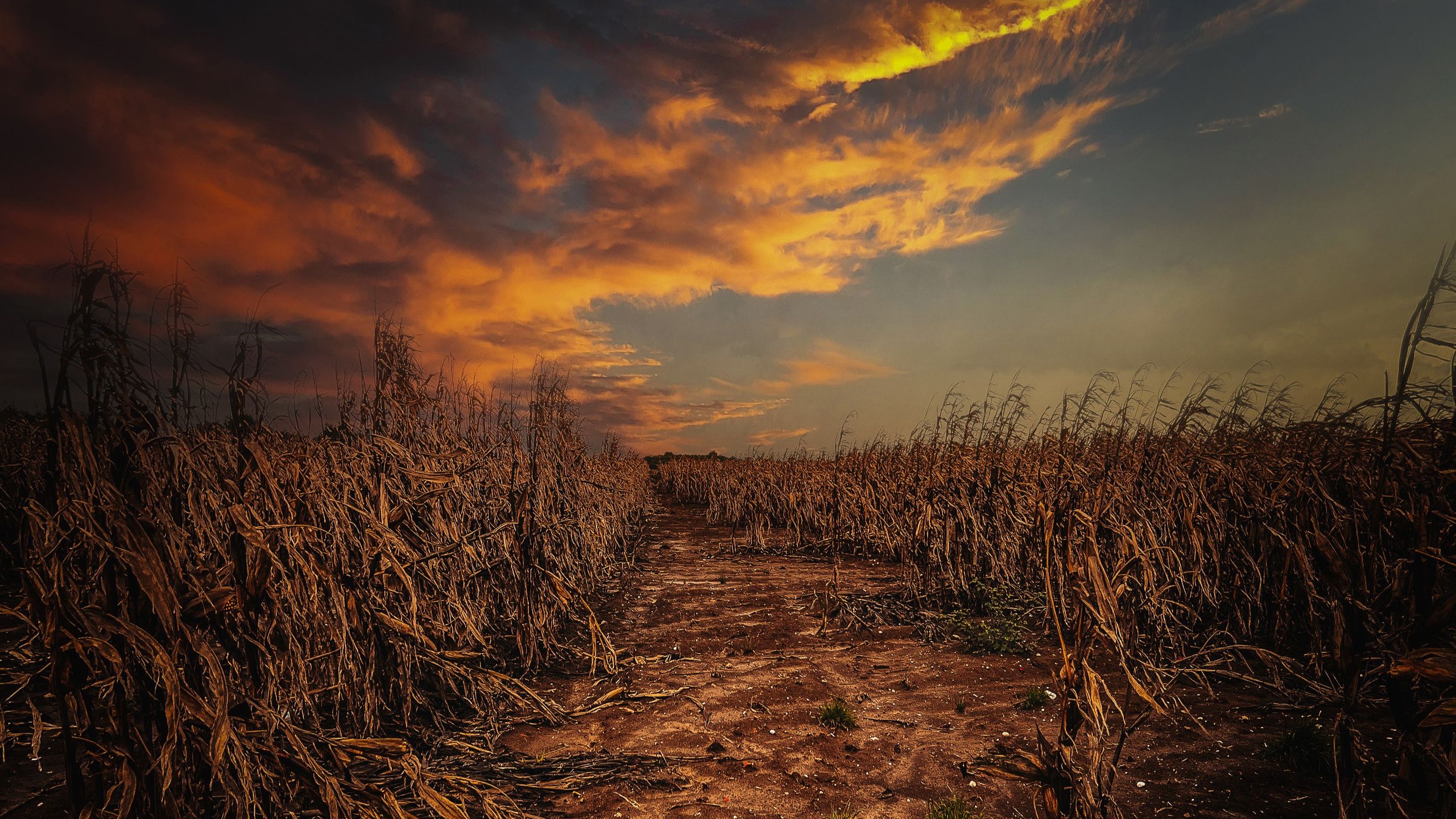
Environmental economist Shouro Dasgupta explains that the economic toll of climate-driven agricultural disruption is massive. “We are seeing a shift where food insecurity is no longer just about low-income countries,” he says. “Climate change is a global equalizer in the worst possible way—it affects supply chains everywhere.” Dasgupta points out that even wealthy nations with advanced agricultural technology are experiencing yield stagnation and increased costs.
Key economic impacts include:
- Higher food prices: Reduced supply leads to price spikes, which disproportionately affect poorer households.
- Insurance losses: Crop insurance claims have skyrocketed, straining national budgets and private insurers.
- Trade disruptions: Countries that rely on food imports face vulnerability as exporting nations struggle to maintain production.
Dasgupta calls for targeted investments in climate-resilient agriculture and social safety nets to mitigate these risks.
A Global Concern Beyond Low-Income Countries
The perception that food insecurity is a problem only for developing nations is outdated. As the U.N. report and Dasgupta’s analysis make clear, all countries—from the United States to Bangladesh—are vulnerable. In 2023, extreme weather caused billions of dollars in agricultural losses in Europe and North America. The interconnected nature of global food supply means a drought in one region can cause shortages thousands of miles away.
Pathways to Resilience
Addressing this crisis requires a multi-pronged approach:
- Sustainable farming practices: Techniques like agroforestry, cover cropping, and precision irrigation can buffer against temperature extremes.
- Early warning systems: Better weather forecasting helps farmers prepare for heatwaves or frosts.
- Policy reform: Governments need to invest in agricultural research, subsidize climate-resilient seeds, and strengthen social protection for farm workers.
- Global cooperation: Climate change is a borderless problem; international agreements must prioritize food system resilience.
Conclusion
The warning from the U.N. and experts like Shouro Dasgupta is clear: climate change is pushing agriculture to the brink, and no country is immune. Food insecurity, once seen as a concern of the poor, is now a universal risk. But by recognizing the urgency of the situation and taking decisive action, we can build agricultural systems that withstand the shocks of a warming world.